Understanding Kabja Raseed – Land Possession in India
Understanding Kabja Raseed: A Comprehensive Guide to Land Possession in India
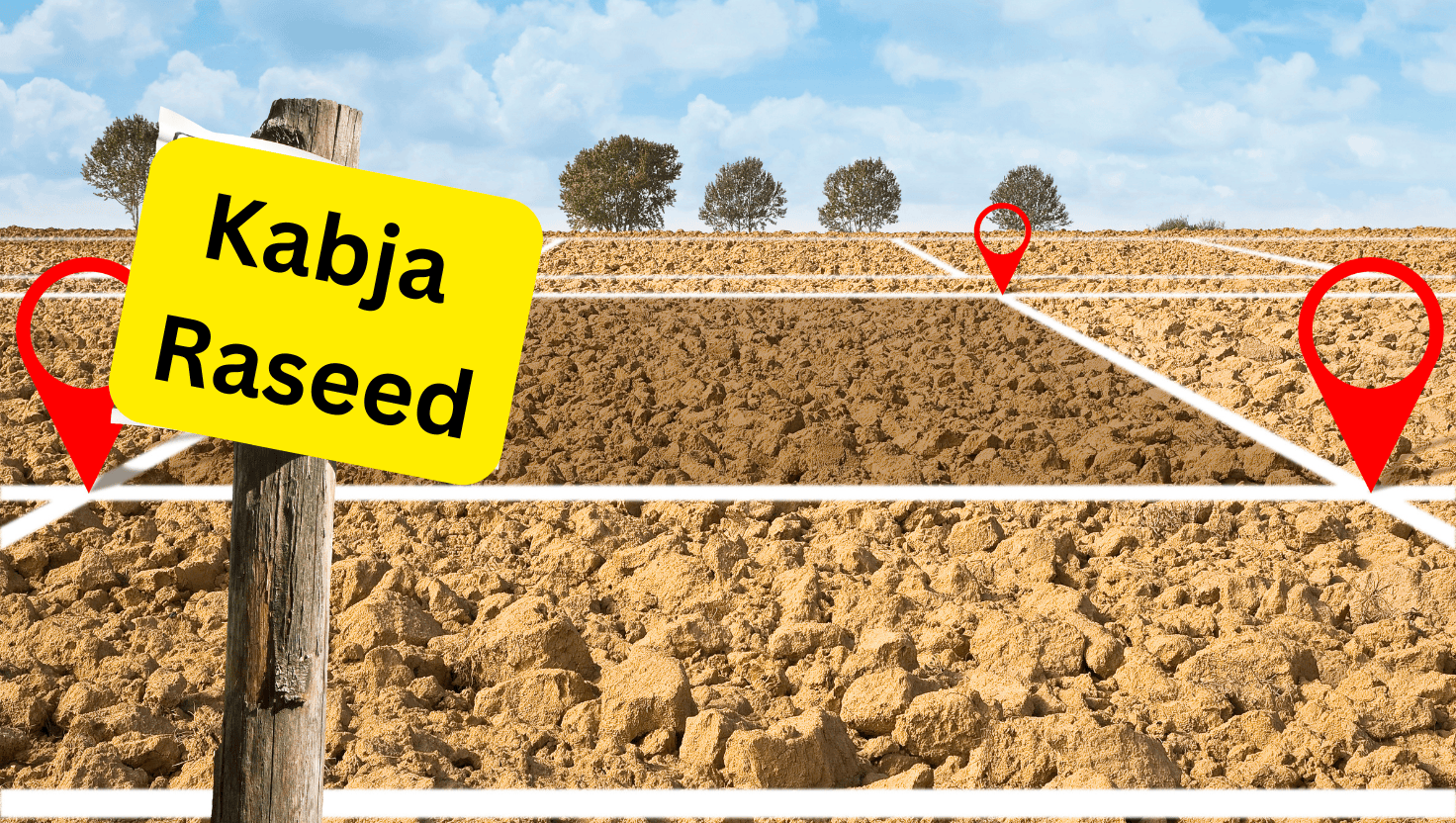
What is a Kabja Raseed?
A Kabja Raseed is a document that serves as evidence of possession of a property. It is typically issued when an individual takes possession of a property, especially in cases where a formal sale deed has not been executed. This document is often used in informal property transactions and may be notarized but not registered with the government authorities.
Why is a Kabja Raseed Important?
While a Kabja Raseed does not confer legal ownership, it can be crucial in establishing possession, especially in disputes. It may be used to demonstrate continuous and uninterrupted possession, which is a key factor in adverse possession claims. Additionally, it can serve as supporting evidence in legal proceedings related to property disputes.
How to Obtain a Kabja Raseed?
To obtain a Kabja Raseed, the following steps are generally followed:
- Agreement Between Parties: The buyer and seller agree on the terms of possession.
- Drafting the Document: A Kabja Raseed is drafted, detailing the property description, parties involved, and the date of possession.
- Notarization: The document is notarized to authenticate the signatures and the agreement.
- Supporting Documents: Additional documents like electricity bills, tax receipts, and identity proofs may be attached to strengthen the claim of possession.
What Documents are Required for a Kabja Raseed?
The following documents are typically required:
- Identity Proof: Aadhar card, PAN card, or other government-issued ID.
- Property Details: Previous ownership documents, if available.
- Utility Bills: Electricity or water bills in the name of the possessor.
- Tax Receipts: Property tax receipts indicating payment by the possessor.
Is a Kabja Raseed Legally Valid Without a Registered Sale Deed?
A Kabja Raseed alone does not confer legal ownership of a property. The Supreme Court of India has held that ownership of immovable property can only be transferred through a registered sale deed. Therefore, while a Kabja Raseed may establish possession, it does not equate to legal title.
How Does Adverse Possession Relate to Kabja Raseed?
Adverse possession is a legal doctrine that allows a person to claim ownership of land under certain conditions, such as continuous and uninterrupted possession for a specific period (typically 12 years). A Kabja Raseed can serve as evidence of such possession, supporting a claim of adverse possession. However, the success of such a claim depends on various factors and must be adjudicated by a court.
Can a Kabja Raseed be Used for Property Registration?
In general, a Kabja Raseed is not sufficient for property registration. Government authorities require a registered sale deed to process property registrations. However, in some cases, long-term possession evidenced by a Kabja Raseed and other supporting documents may be considered for regularization or conversion into a formal title, subject to legal procedures and state policies.
What are the Limitations of a Kabja Raseed?
While a Kabja Raseed can be useful in establishing possession, it has several limitations:
- No Legal Title: It does not confer ownership rights.
- Limited Use in Legal Proceedings: Courts may require additional evidence to support claims based on a Kabja Raseed.
- Not Acceptable for Loans: Financial institutions typically require registered documents for property-related loans.
- Potential for Disputes: Without formal registration, the risk of disputes and claims by other parties increases.
How to Regularize Property Held Through Kabja Raseed?
To regularize property held through a Kabja Raseed, the following steps may be taken:
- Consult Legal Experts: Seek advice from property law professionals.
- Gather Supporting Documents: Compile all evidence of possession, including utility bills, tax receipts, and the Kabja Raseed.
- Apply for Regularization: Submit an application to the relevant government authority for regularization or conversion of the property title.
- Follow Legal Procedures: Comply with all legal requirements, including payment of applicable fees and stamp duties.